
Keeping your tires properly inflated is a key to getting the maximum fuel efficiency from your vehicle. Properly inflated tires also reduce tread wear, improve your car’s stopping distance, and decrease the chances of a blowout. Nitrogen-filled tires are said to have the benefit of keeping your tires inflated longer than the standard compressed air…
Your vehicle’s engine produces small explosions of harmful emissions which come from the combustion chamber. These explosions produce dangerous gases such as carbon dioxide, carbon monoxide, hydrocarbons and nitrogen oxides. For safety, these dangerous gases are dispersed away from your vehicle’s cabin using an exhaust system, which the muffler is a key component of. To…
Damage to your windshield happens unexpectedly. The windshield is an important safety device of your vehicle, with its main function being to protect passengers as well as ensure the airbags properly do their job of protecting the vehicle occupants. A small chip on your windshield can turn into a crack across the entire length of…
A crucial factor in your vehicle’s health, efficiency and performance is getting regular tire rotations. A tire rotation is when the tires of your vehicle are moved from one position on the vehicle to another. The front tires will move to the rear and the rear tires will move to the front, typically in a…
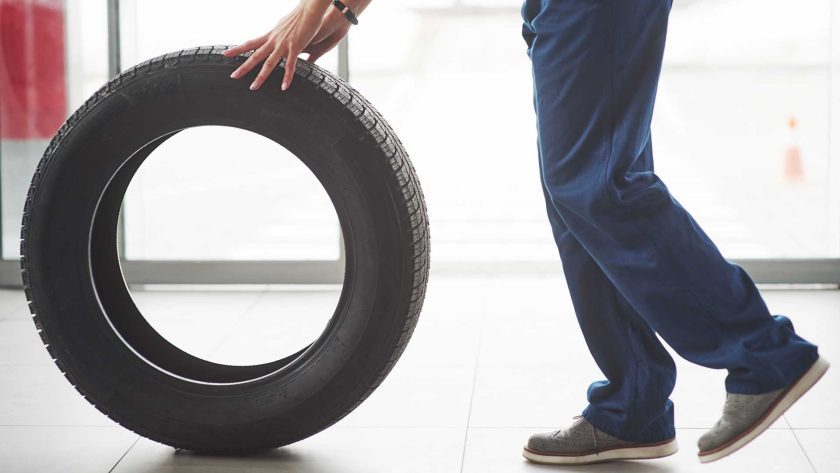
Bubbles in your tires are generally caused by impacts on the road. Hitting the edges of potholes, small collisions, hitting a curb and speed bumps can all cause the sidewall to bulge in your tires. Your tires should always be smooth and round, so if you notice a bubble on the sidewall or see a…